Acid Attacks: How to Respond Quickly and Effectively

Acid attacks are one of the most horrifying forms of assault, causing severe burns, disfigurement, and life-changing injuries within seconds. Sadly, in recent years, the number of reported incidents has increased in parts of the UK and around the world.
Knowing how to respond immediately can mean the difference between a full recovery and permanent damage.
Emergency services promote a simple but effective acronym for dealing with acid attacks: REPORT – REMOVE – RINSE. These three steps, taken quickly and calmly, can drastically reduce the harm caused by corrosive substances.

Step 1: REPORT
The first priority in any acid attack is to call 999. Getting professional help on the way ensures that medical treatment and law enforcement arrive as quickly as possible.
When calling:
Give the exact location
State that it is a corrosive attack, so paramedics can prepare
Provide details about the victim’s condition and any visible injuries
Time is critical, but reporting early gets lifesaving help moving toward you.
Step 2: REMOVE
Next, you need to remove any contaminated clothing or jewellery. Acid can soak into fabric and remain in contact with the skin, continuing to burn long after the initial attack.
Cut clothing away rather than pulling it over the head if possible
Wear gloves or use something to protect your own hands
Get rid of jewellery, watches, or belts near the affected area
The quicker the acid is removed from the skin, the better the outcome for the casualty.
Step 3: RINSE
After removing contaminated items, rinse the affected area with plenty of clean water. Keep rinsing for at least 20 minutes if water is available.
Do not rub the area or try to neutralise the chemical with other substances – simply flush it away.
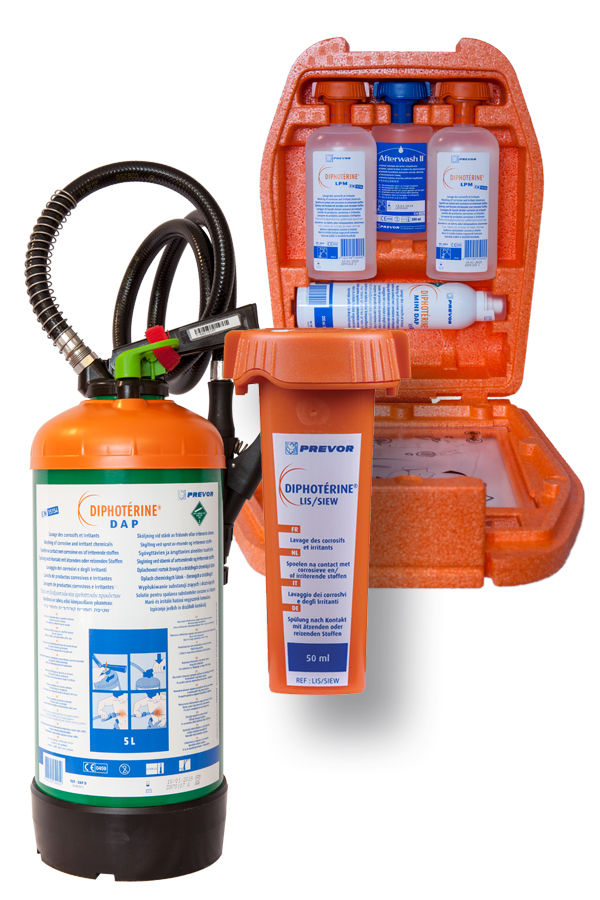
If you have access to a specialist decontamination solution, such as Diphoterine® from companies like Diphex, use it immediately.
Diphoterine® is designed to neutralise both acidic and alkaline chemicals and can significantly reduce the risk of long-term injury when applied quickly.
The Importance of Carrying a Corrosive Attack Kit
In high-risk environments, such as security roles, public events, or even workplaces where chemicals are present, carrying a corrosive attack response kit can save lives.
A basic kit should include:
Bottles of Diphoterine® or similar neutralising solution
Disposable gloves
Scissors for cutting away clothing
Eye wash for facial or eye exposure
These kits are lightweight, portable, and can be carried in vehicles, first aid stations, or even by security personnel on the move.
Final Thoughts
Acid attacks are devastating, but knowledge and preparation can save lives. Remember the simple steps:
REPORT: Call 999 immediately
REMOVE: Take off contaminated clothing and jewellery
RINSE: Flush the skin with water or a neutralising solution
Carrying a small response kit with solutions like Diphoterine® gives you the ability to act fast and minimise life-changing injuries before emergency services arrive.
By spreading awareness and ensuring that people are prepared, we can make our communities safer and reduce the harm caused by these brutal assaults.


Comments