Dressing the Part in Close Protection: Why Your Appearance and Preparation Matter

In the world of close protection, first impressions count. Before a client ever sees your skills in surveillance, defensive driving, or conflict management, they see you.
The way you present yourself, clothing, grooming, even the subtle details of your kit, communicates professionalism, credibility, and reliability.
Many operatives underestimate just how important “dressing the part” is. The wrong choice of outfit can draw unwanted attention, clash with a client’s expectations, or at the very least make you look foolish..
On the other hand, the right appearance helps you blend into the background, instils trust, and reinforces the professional standards expected of a close protection operative (CPO).
Let’s break down how to strike the right balance, and what should be hanging in your wardrobe.

Business Attire vs. Smart Casual: Knowing the Difference
One of the most common questions for new operatives is: “What should I wear – a suit, or something more relaxed?”The answer depends entirely on the task, the client, and the environment.
Business Attire
What it is: Suits, dress shirts, ties, polished shoes, the classic corporate look.
When it’s used: High-profile clients, formal events, boardrooms, executive travel.
Why it matters: Business attire projects authority and professionalism. If your principal is meeting political figures, CEOs, or attending red-carpet events, you need to look like you belong in that environment. A scruffy or mismatched appearance stands out for the wrong reasons.
Considerations: A good suit should fit properly, tailored where possible. Dark, neutral colours are best (navy or black). Keep accessories minimal and functional, earpiece wires should be discreet, shoes should be comfortable enough for long hours but polished to standard.

Smart Casual
What it is: A step down from formal wear, think collared shirts or polo shirts, chinos or tailored trousers, smart shoes or boots, lightweight jackets.
When it’s used: Low-profile assignments, client leisure time, travel days, environments where a suit would attract too much attention.
Why it matters: Smart casual allows you to blend into everyday environments without looking sloppy. It balances comfort with professionalism. For example, if you’re accompanying a client on shopping trips or to informal restaurants, a suit would look out of place. Smart casual lets you maintain discretion.
Considerations: Stick to muted colours and avoid branding or flashy logos. Clothing should allow ease of movement and concealment for equipment if carried. Always lean toward the “smart” side – crisp and well-kept.
Key takeaway: Dress for the environment, not yourself.
Your clothing is part of your operational planning, it should never compromise the client’s image, your cover, or your ability to perform.
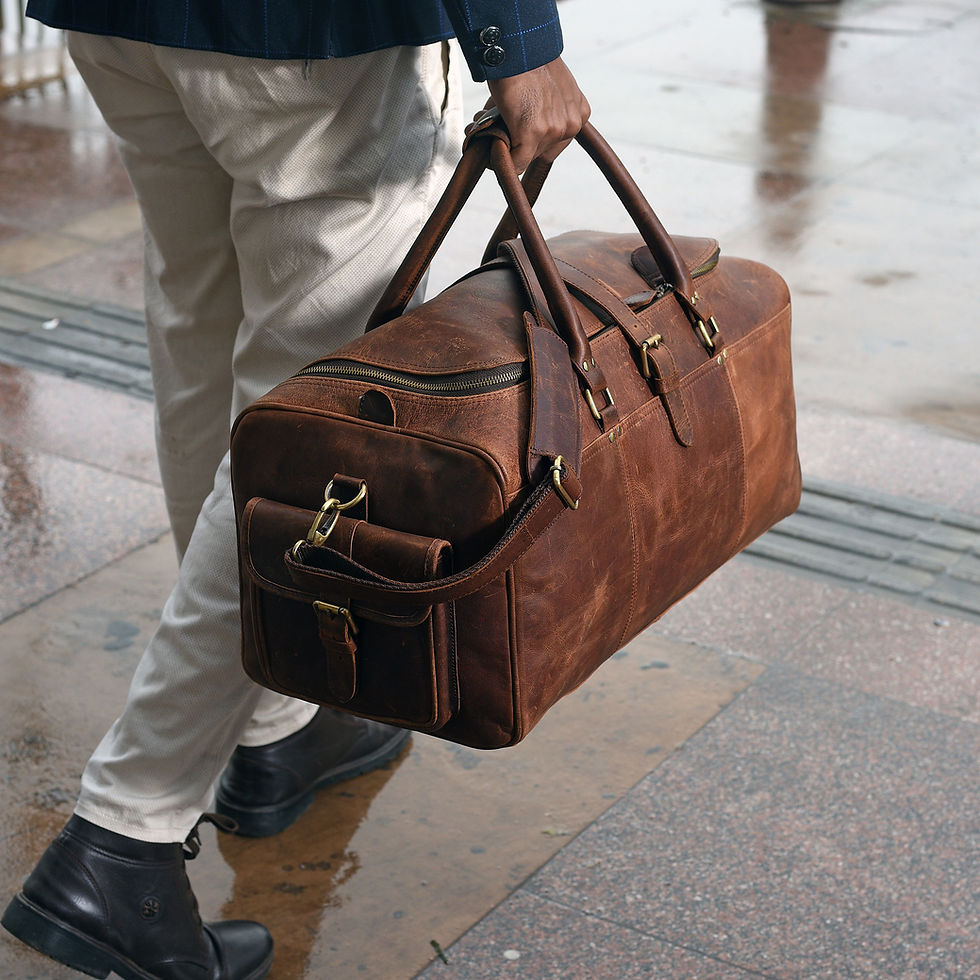
The Grab Bag: Your Lifeline in the Field
Beyond your clothing, a close protection professional is only as effective as their preparation.
This is where the grab bag comes in.
A grab bag is a compact, discreet kit you carry (or keep close at hand) containing essentials you might need to support the client or deal with unexpected situations. Think of it as your operational lifeline, not just for emergencies, but also for smooth day-to-day function.
Core Items to Include
Medical kit
Trauma dressings, haemostatic gauze, tourniquet, plasters.
Gloves and a pocket mask.
Only carry what you are trained and competent to use.
Communications
Spare phone and/or radio batteries.
Portable power bank and charging cables.
Admin essentials
Copies of client itinerary, maps, and contact lists.
Notebook and pen.
Small torch.
Comfort and contingencies
Water bottle.
Energy snacks.
Weather gear (light rain jacket, umbrella, or poncho).
Practical spares
Spare tie, shirt, or polo, accidents happen and clients expect seamless professionalism.
Hygiene items (wipes, deodorant, hand sanitiser).
Travel aids
Passport/ID copies.
Local currency or cash float.
Small multi-tool (where legally permitted).
The grab bag should be tailored to the client, environment, and duration of task. For international travel, adapt it for customs and legal restrictions.
For hostile environments, your bag may lean more toward medical and survival equipment; for corporate protection, it may lean toward communications and admin.
Professional Image = Professional Service
At its core, close protection is about discretion, trust, and readiness.
The way you dress and the kit you carry both play into those factors.
Dress smart, but with purpose. Business attire and smart casual each have their place, choose based on the client and the environment.
Prepare for the unexpected. A well-thought-out grab bag ensures you can handle both everyday hiccups and critical emergencies without hesitation.
Clients notice the details. A well-dressed, well-prepared operative doesn’t just look the part, they inspire confidence, which is the real currency of this industry.
✅ Final thought: Dressing the part in close protection isn’t about vanity; it’s about operational effectiveness.
The right look, paired with the right preparation and the right kit, ensures you’re always ready to protect without drawing unnecessary attention.


Comments